
Create the identity record
Request manufacturer model information, vehicle identification evidence, production details and the seller’s version description. Retain the original description alongside its English translation. A simplified English label should not erase an important distinction in the source document.
Keep production timing, advertised model year and first registration separate. Recent registration does not necessarily mean recent production, and a model-year label does not prove registration status. Resolve discrepancies between documents and the offer before accepting the candidate. If a photograph is only illustrative, mark it accordingly.
When budget is divided between equipment and travel capability, the equipment-versus-range priority review ranks the mandatory needs first.
For another AION model, the i60 and AION Y comparison maintains both actual identities and mandatory functions.
For a BYD alternative, the i60 and Song Plus review identifies the actual Song Plus application before using powertrain descriptions.
For a Leapmotor proposal, the i60 and C10 comparison retains candidate identity and comparable practical requirements.
Confirm powertrain before equipment
State whether the car is pure-electric or extended-range and obtain supporting configuration evidence. Identify relevant battery and charging information without inferring powertrain from a similar exterior. The powertrain comparison explains why this changes operating and maintenance plans.
Separate essential features from preferences. A required charging arrangement, cabin function or accessory package should be written clearly. Colour preferences may be flexible; the seller should not decide which requirements can change without agreement. This matters particularly when several units come from different locations.
Match evidence to the feature
Manufacturer material helps explain the model family. Current documents and photographs identify the offered car. For operating features, request a demonstration where practical. A button photograph cannot establish that an associated connected service works at the destination. Check those dependencies using the software guide.
Record confirmed equipment rather than collecting every brochure possibility. Mark missing evidence as unconfirmed. For an acceptance-critical feature, define sufficient proof and who will review it. If the candidate changes, repeat the relevant checks instead of transferring approval from the previous vehicle.
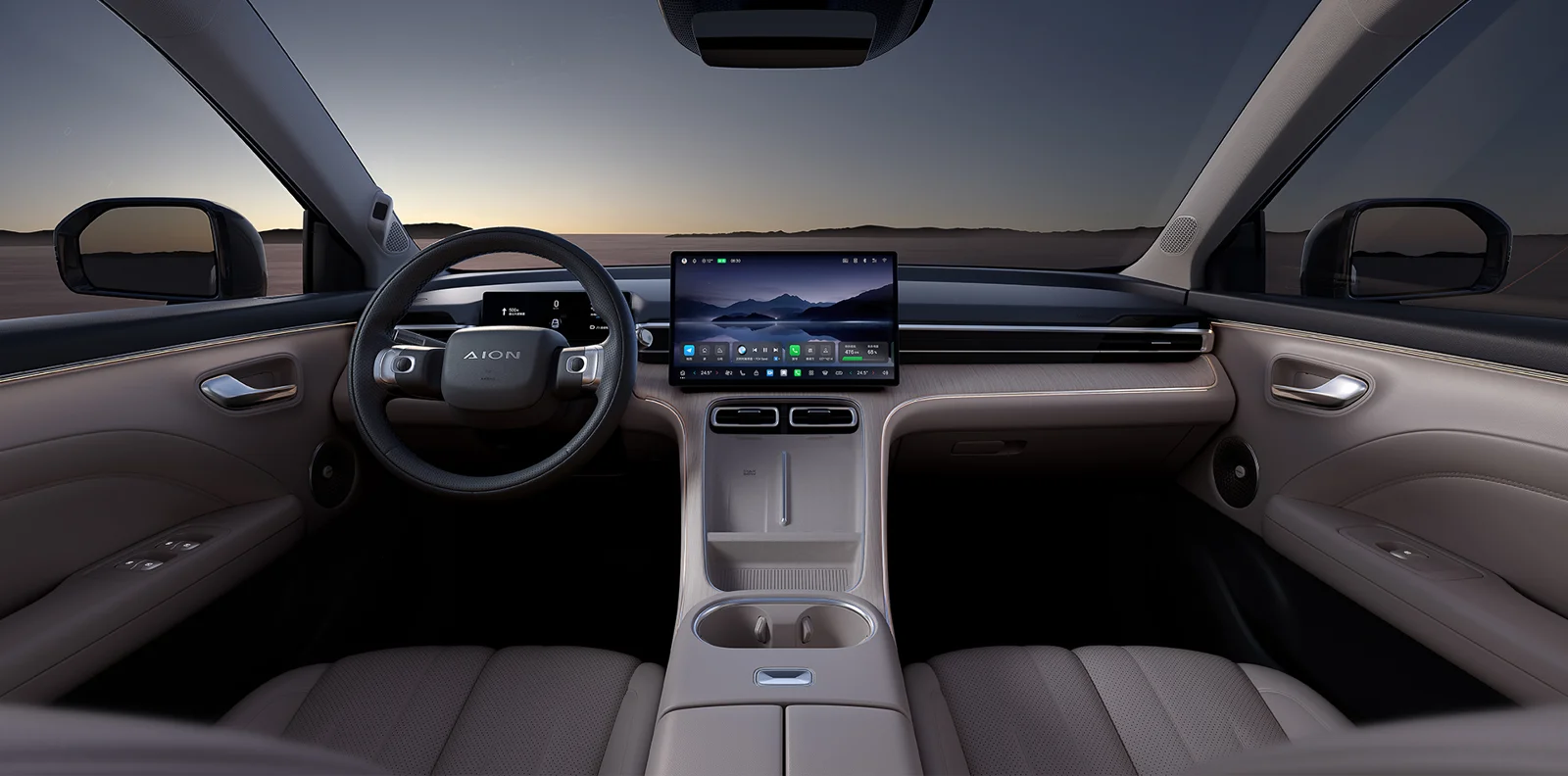
For cabin requirements, compare the i60 interior and comfort review with photographs and demonstrations of the selected unit. A feature shown in the manufacturer presentation should remain unconfirmed until its fitment is established for the offered version.
For a comfort-led brief, the seat comfort-option assessment identifies adjustment and each desired function independently.
The powered-tailgate value review verifies fitted methods and present operation rather than borrowing a model reference.
For parking technology requests, the parking-view purchase decision names the required views and their demonstrated limits.
For assistance-led decisions, the driver-assistance option review separates mandatory functions from a broad package claim.
For roof preferences, the glass-roof buyer assessment distinguishes daylight, opening expectation, shade and observed condition.
The rear adult-use review verifies actual passenger-area functions without assuming every version has the reference arrangement.
Keep substitutions visible
Give each offer a reference and retain specification revisions. Compare a substitute’s powertrain, production information, condition and equipment. Material changes need the buyer’s acceptance. A common model name does not make all substitutions commercially equivalent.
At handover, compare the car and documents with the accepted specification, including keys and accessories. Mixed batches need a row for every unit. The handover guide preserves the link between accepted offer and delivered vehicle, allowing the dealer to describe precisely what is being supplied without promising a feature across every i60.
Example: a replacement with a similar name
A seller replaces a shortlisted unit with another i60 described using the same English trim label. Ask for the new identification and equipment record. Compare powertrain, charging information, production details and every essential feature against the accepted brief. If an important function is absent or remains unverified, do not carry over the previous approval. Keep the revision and the buyer’s decision in the transaction file. This preserves a clear explanation when the vehicles look similar but their suitability differs.
For remote sourcing, the remote decision-file review reconciles media and final configuration against one candidate reference.
Model reference: GAC’s AION i60 presentation and AION’s manufacturer overview. Model information gives context; the offered vehicle needs its own specification and condition evidence.