
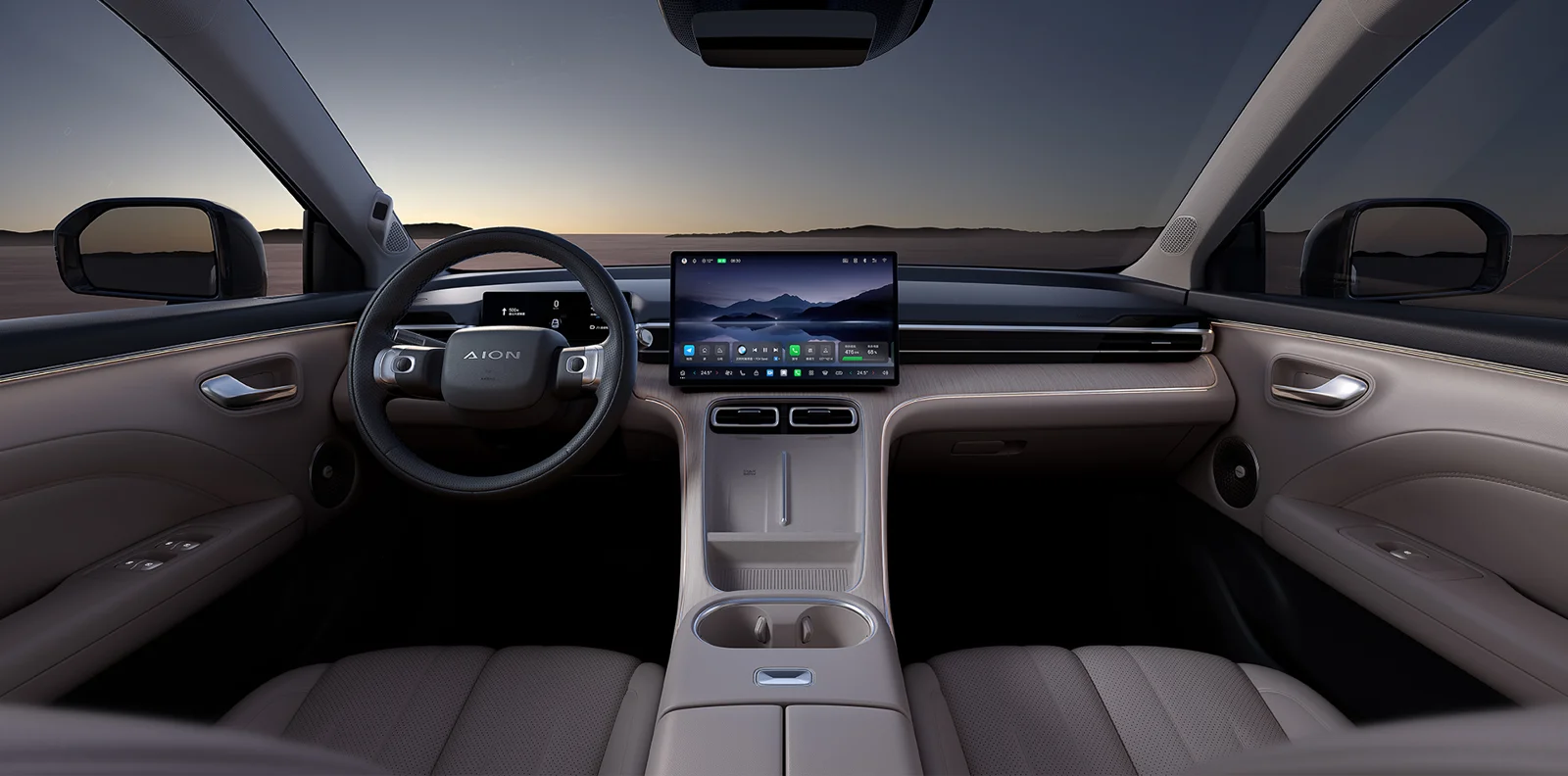
Define the passenger arrangement
State how many adults normally travel and which journey matters. Occasional short trips can permit a different compromise from routine longer use. The cabin arrangement guide keeps these requirements connected to the actual vehicle.
Record any specific access or position needs without collecting unnecessary personal information. A broad comfortable-rear-seat request leaves the supplier guessing. Identify which positions and features must be assessed, and retain any important person or scenario that cannot be represented remotely.
Fix the front positions for the comparison
Use the intended driver's ordinary seat setting and a stated passenger position. A moved-forward front seat can make a rear image misleading. The driver-fit assessment is relevant when a limiting front position determines rear accommodation.
Show useful reference points and record the arrangement. Measurements can narrow a shortlist without reproducing every occupant's experience. If three adults must travel together, assess that complete setup rather than inferring it from one passenger or a nominal seat count.
Review access and supplied functions
Entry and exit are different questions from fit once seated. Ask for a suitable personal assessment where the customer's needs require it. Do not promise universal easy access from the SUV shape or a door-open photograph.
Identify the actual adjustment, outlets or other required functions through the equipment evidence list. A recent reference's rear features cannot establish an earlier candidate's configuration. Record appropriate normal operation and any limitation instead of crediting the full package from appearance alone.
Keep comfort observations and condition honest
A brief video can demonstrate position or movement but not comfort over several hours. Retain observer comments within their conditions and identify untested sustained use. For used cars, passenger-area wear and disclosed work belong in the inspection record.
The whole-vehicle review keeps suitable findings separate from preferences. New proposals also need the installed arrangement and delivery checks. Do not assume an attractive rear trim means belts, mechanisms and other required systems have received an appropriate assessment.
A regular adult-trip requirement
Suppose a dealer needs regular journeys with adults behind a tall driver. Request the normal front position and relevant rear occupants together. A favourable demonstration behind an unusually forward setting answers another arrangement. Keep the actual requested setup pending until useful evidence is available.
The same candidate may be suitable for occasional visitors or solo use, so retain the intended assignment instead of declaring the model generally unsuitable. A replacement with different seats or generation requires a renewed fit review. The retail description should explain the supported arrangement and limitations without promising identical comfort to every passenger on every journey.
For a quoted rear comfort option, record exactly which position and movement were observed. A supported adjustment can improve flexibility without proving the intended adult has enough space behind the normal driver. Keep that personal-fit question open where the person could not participate, rather than entering an automatic pass beside a verified control.
Choose the next action
| Finding or requirement | Purchase response |
|---|---|
| Front settings are unstated | Obtain a consistent setup before comparing rear photographs or measurements. |
| Long trips are essential | Keep short observations limited to what they show and seek appropriate personal assessment where needed. |
| Functions vary by candidate | Verify the actual rear equipment and operation instead of borrowing a model-reference list. |
Evidence to keep with the decision
- Describe the actual rear occupants, journey duration and access needs in the brief, separating regular adult use from occasional trips so one favourable short observation does not define an unsupported universal comfort or suitability conclusion.
- Retain front-seat settings and useful reference points with the assessment, using the intended driver or stated representative arrangement instead of moving the front seats forward between photographs to improve the apparent rear accommodation.
- Review every seating position important to the customer, including the complete combined arrangement where several adults travel, leaving unrepresented positions or personal-fit questions pending instead of inferring them from a nominal seat count.
- Identify supplied rear functions and suitable normal operation from candidate-specific equipment evidence, keeping different versions or later changes separate rather than copying a recent manufacturer's reference features into the accepted offer.
- Keep passenger-area wear, disclosed repairs and relevant qualified findings with the individual car, distinguishing presentation, access, function and sustained comfort rather than allowing an attractive cabin photograph to settle all four questions automatically.
- Retain the intended assignment and accepted limitations when comparing alternatives or substitutes, repeating affected fit checks for different seats or builds so a result suitable for occasional visitors is not silently sold as proven long-trip accommodation.
Questions buyers ask
Does recline prove long-trip comfort?
No. Assess the actual occupant, position and journey requirement.
Can one passenger represent every rear position?
No. Review the positions and combined arrangement important to the brief.
Model reference: GAC’s AION i60 presentation and AION’s manufacturer overview. Model information gives context; the offered vehicle needs its own specification and condition evidence.