
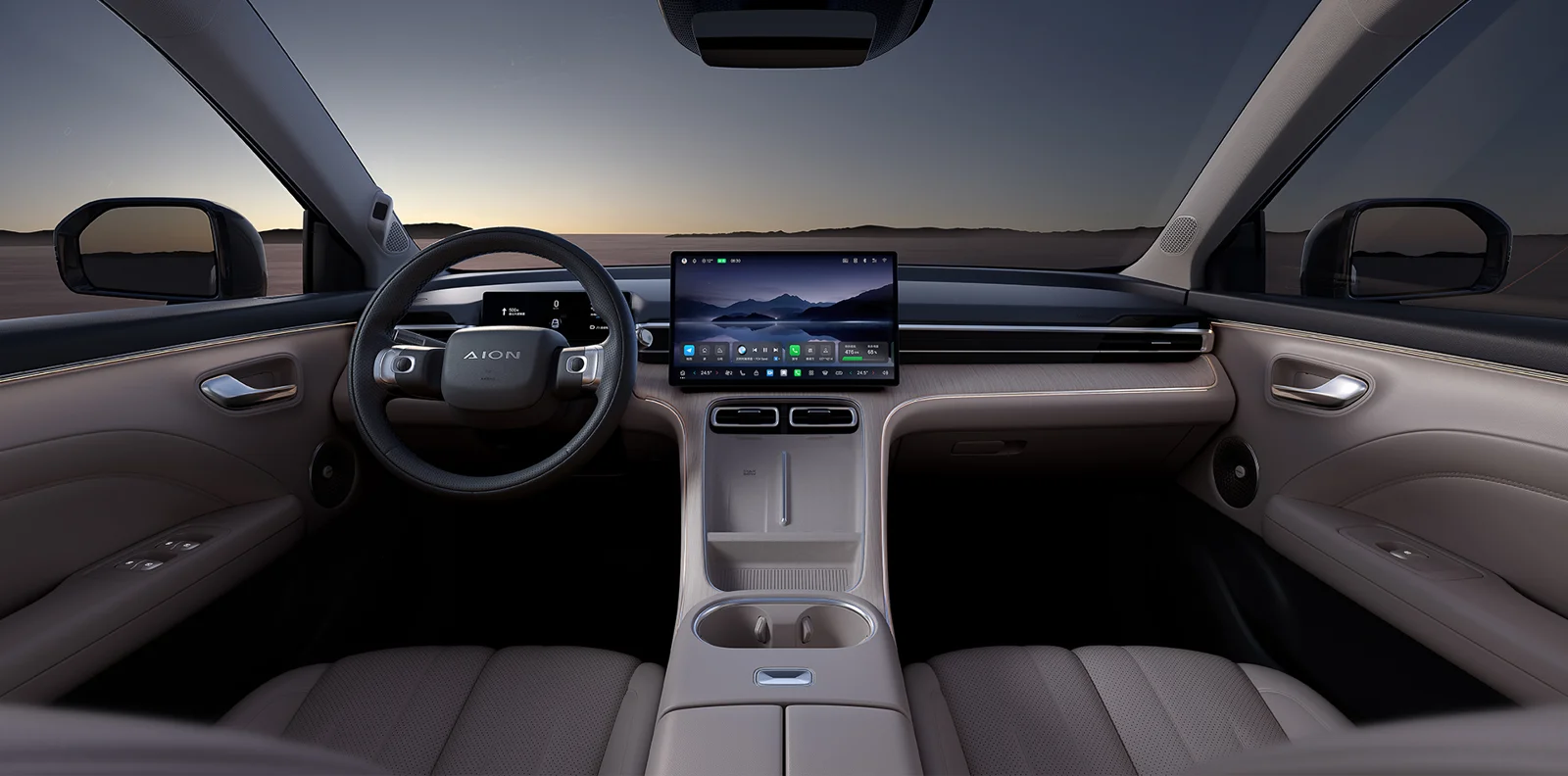
Describe the position problem
Ask which aspect of the previous car was difficult: leg position, headroom, control reach or entry. Height alone does not describe proportions or access needs. Use the whole cabin brief to retain other occupants alongside the driver.
Identify the offered seat, roof and adjustment arrangements. Similar versions may contain different equipment or later replacements. Write the position requirement clearly rather than relying on a spacious-cabin slogan. A candidate can be attractive but still fail the particular person's non-negotiable need.
Observe useful adjustment, not just movement
Where feasible, have the intended driver assess the car safely using normal supported controls. State the seat settings and observation basis. A motor moving the seat is operation evidence, not proof that the required driving position is reached.
The seat-option value review separates adjustment from optional comfort functions. A high-trim seat should not win if its useful position remains unresolved. Remote measurements need clear reference points and their limits retained, rather than a photograph staged to make headroom look favourable.
Include entry and roof arrangement
Assess the ordinary movement into and out of the car as its own requirement. Specific access needs may need personal assessment and appropriate assistance. Do not generalise one observer's experience to every tall driver.
The roof-option review identifies the actual system without establishing personal headroom. Keep the wanted roof and essential position separate. If the preferred appearance conflicts with the fit requirement, compare another supported candidate rather than assuming a trim change automatically solves the issue.
Preserve the rear task with the driver seated
The rear passenger assessment fixes the accepted front setting before reviewing space behind. Do not move the driver forward between photographs unless that change is part of the actual accepted use.
For used vehicles, seat condition and disclosed work belong alongside the fit result. For new proposals, verify supplied specification before using a reference layout. A later substitute with different seats needs a fresh relevant assessment. The driver's accepted position cannot become proof that the full family arrangement is also suitable.
Use the candidate condition record for disclosed seat work and relevant findings beside the achieved position.
One driver with two routines
Suppose the buyer mostly travels alone but also requires regular rear adult use. Assess both arrangements. A front position acceptable for solo travel may leave an important rear constraint. If the occasional journey permits another solution, retain the compromise explicitly rather than treating it as an unnoticed exception.
If only adjustment movement is demonstrated, keep personal fit pending. Another candidate or an appropriate visit may be necessary. The dealer's file should describe what was established and what remains unconfirmed. This avoids paying for controls instead of a useful position or promoting one person's short observation into a universal comfort guarantee.
Choose the next action
| Finding or requirement | Purchase response |
|---|---|
| Adjustment works but fit is unknown | Separate normal operation from the intended person's achieved position. |
| Driver setting limits rear space | Assess the full required passenger task without changing the front setup for favourable images. |
| Roof or seat changes on a substitute | Repeat the relevant assessment rather than carrying over another candidate's result. |
Evidence to keep with the decision
- Describe which reach, leg, headroom or access problem needs to be solved, recording other required occupants alongside the driver rather than using height alone or an undefined spacious-cabin request to choose a candidate.
- Identify the actual seat, steering adjustment and roof arrangement from supported records, noting changes so a high-trim label or powered controls cannot stand in for the specific position the intended person needs to achieve.
- Retain normal settings and appropriate personal or stated representative observations, distinguishing operating movement from achieved fit and keeping remote measurement limits visible instead of staging a favourable posture or photographic angle without explanation.
- Review ordinary entry and exit independently where needed, with appropriate personal assessment for particular access requirements rather than generalising another observer's experience or assuming an SUV body guarantees easy movement for every tall user.
- Assess required rear accommodation with the accepted driver's setting unchanged, identifying any permitted solo-use or occasional-passenger compromise so front-seat acceptance does not silently become approval of the whole family arrangement.
- Keep disclosed seat work, relevant findings and the customer's accepted position with the final unit, repeating affected checks when a replacement changes seats or roof rather than transferring the first vehicle's favourable personal-fit conclusion.
Questions buyers ask
Can car height establish driver fit?
No. Actual seat, roof, reach, access and personal proportions matter.
Are powered seats always sufficient?
No. Confirm that the required position can be achieved and accepted.
Model reference: GAC’s AION i60 presentation and AION’s manufacturer overview. Model information gives context; the offered vehicle needs its own specification and condition evidence.