
Record the work and its evidential basis
Ask which areas were painted, when the work happened and what supports the explanation. Keep observed finish distinct from the seller's account. Cosmetic work, replacement panels and wider incident repairs deserve different follow-up where the evidence makes them relevant.
Use the candidate review for appropriate findings and limitations. Measurements should be performed and interpreted suitably rather than turned into a remote universal verdict. If the cause remains unknown, retain the gap instead of choosing the most favourable history statement.
Keep deeper findings separate from surface quality
The collision acceptance guide addresses the wider route when relevant history or qualified findings indicate it. Do not reduce assessed incident work to cosmetic because the visible result is tidy. Equally, do not diagnose structural or battery damage from paint alone.
Ask providers what further assessment follows from actual observations. Keep conclusions and inaccessible areas visible. A dealer should understand the difference between an accepted cosmetic compromise and a technically unresolved condition rather than apply a blanket rule to every painted electric vehicle.
Describe the finish that will be supplied
Request clear ordinary-light views, noting defects and the limits of remote comparison. Pictures can conceal colour variation or surface detail. Do not claim perfect factory finish where later work is established or original status is unconfirmed.
If rework is agreed, obtain a supported scope and completion evidence. The finished scope guide separates promised preparation from completed condition. A generic polishing promise may not remedy the actual finding. Update the records if further work changes the relevant panels or condition.
Compare against the buyer's actual restriction
State whether disclosed paint work is permitted. A desirable option or lower amount should not silently change a customer's required history. New proposals also need a clear accepted delivery-condition description where work is disclosed.
Avoid invented standard discount percentages or guaranteed resale effects. Compare another supported candidate with aligned preparation, currency and transfer stage. The fleet-history decision handles related prior-use questions independently instead of assuming a source label explains the cause of every repaint.
Two similar cars with different paint claims
Suppose one proposal discloses cosmetic work while another advertises original paint without supporting evidence. Review both at the same standard. A favourable slogan is not a verified advantage, and a disclosed repaired surface is not automatically the poorer proposition for every buyer.
Retain relevant findings, completed finish work and the customer's acceptance reason. Do not strengthen the final history description merely because rework improves presentation. A replacement car with another paint history requires a fresh review, even when the colour and amount match. The retail description should remain aligned with the evidence for the actual unit.
Choose the next action
| Finding or requirement | Purchase response |
|---|---|
| Repaint cause is not supported | Retain the observation and request relevant evidence rather than inventing a favourable explanation. |
| Cosmetic rework remains pending | Define the finished scope and verify the supplied result before treating preparation as complete. |
| Customer excludes the supported history | Source a permitted alternative unless that requirement is explicitly revised. |
Evidence to keep with the decision
- List disclosed painted surfaces, dates and supported explanations against the actual candidate, keeping observations separate from seller accounts rather than choosing the most favourable cosmetic history whenever evidence of cause remains incomplete.
- Obtain relevant provider findings and their limitations where the observations justify further review, avoiding both a structural or battery diagnosis from paint alone and a cosmetic label that conceals wider supported incident work.
- Keep clear ordinary-light finish evidence and remote-view limits, identifying defects or planned rework rather than promising original factory appearance from photographs that cannot establish every surface detail or colour difference.
- Define the supported finished preparation and accepted standard, updating the evidence after changes so a generic polishing promise is not entered as a remedy for the actual finding or as completed work before verification.
- Apply the buyer's history and delivery-condition requirements before optional-equipment premiums, aligning another supported offer at the same commercial stage instead of using an invented fixed paint discount or a guaranteed resale claim.
- Preserve the accepted condition and explanation for each unit after cosmetic improvements, obtaining a fresh decision when replacement history differs even if colour and amount match rather than strengthening the retail description beyond the available records.
Questions buyers ask
Does repaint prove battery or structural damage?
No. Such conclusions need appropriate relevant findings, not paint alone.
Is one discount appropriate for every repaint?
No. Actual history, finish, work and buyer requirements determine useful valuation.
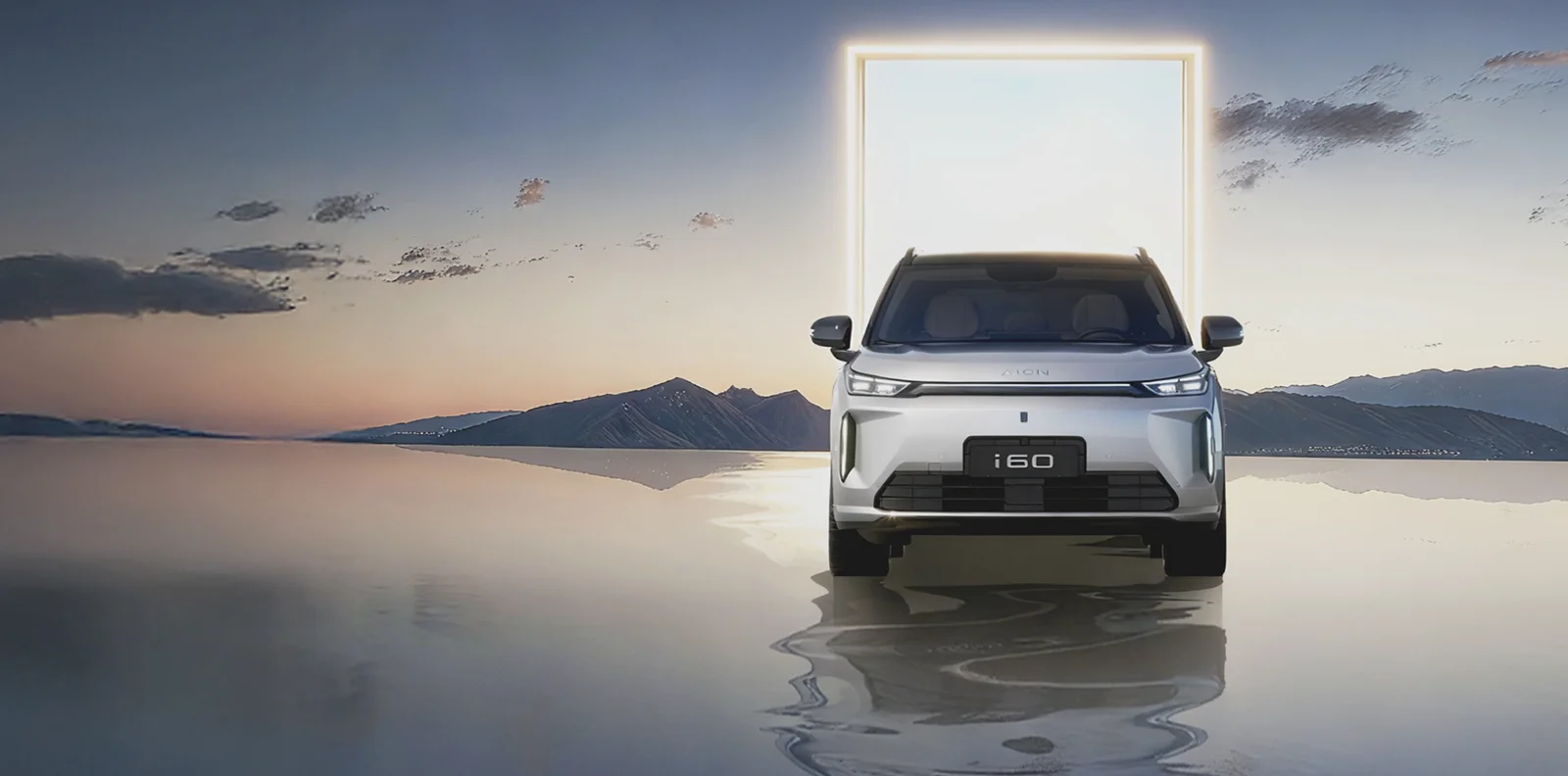
Model reference: GAC’s AION i60 presentation and AION’s manufacturer overview. Model information gives context; the offered vehicle needs its own specification and condition evidence.